PowerMax Super Hydrogen Station Selected for Shandong Province’s First Batch of Landmark New Energy Application Scenarios
On July 20, the Shandong Provincial Energy Administration issued the “Implementation Plan for Scenario Development in the New Energy Sector of Shandong Province,” simultaneously releasing the first provincial-level list of landmark new energy application scenarios. Only 67 projects across the province were selected.
Yantai Dondel Industrial Co., Ltd.’s “Off-Grid Hydrogen-Electricity Coupled Super Energy Storage and Integrated Ultra-Fast Charging Demonstration Scenario”—the PowerMax Super Hydrogen Station—was successfully selected, making it one of only five projects from Yantai to make the list.
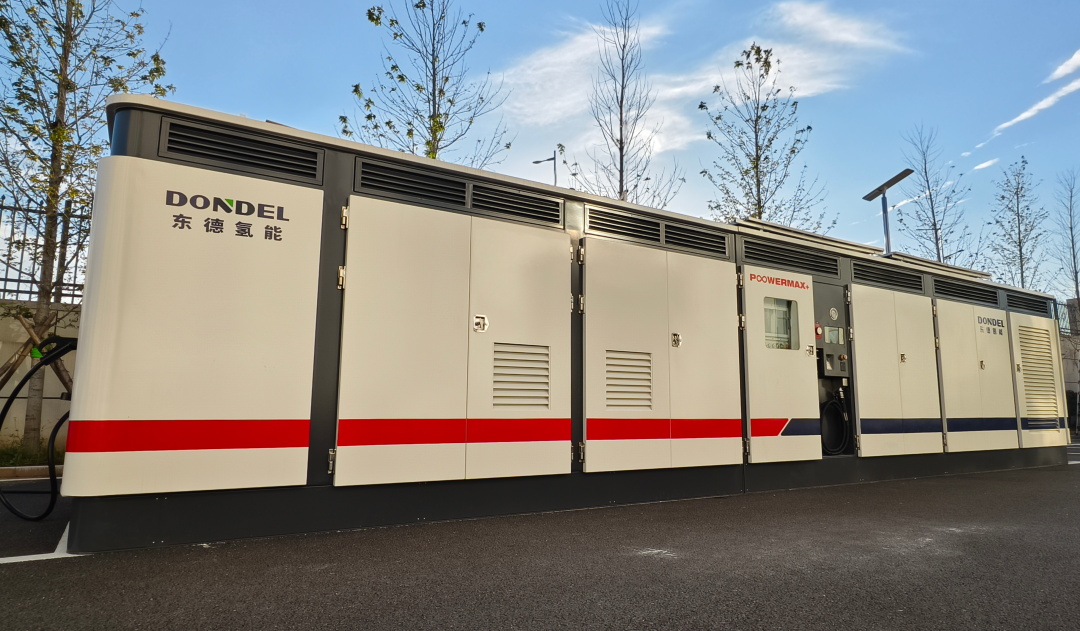
One Device, One Micro Energy Station
The core concept of the PowerMax Super Hydrogen Station is “off-grid”—it does not rely on the external power grid, generating electricity from hydrogen on its own.
First, traditional charging stations require grid connection, which involves applying for power installation, upgrading infrastructure, and navigating lengthy approval processes. PowerMax bypasses this entirely: its hydrogen fuel cell generates electricity autonomously and delivers power immediately. Even if the entire area loses power, vehicle owners can still charge and refuel with hydrogen.
More Than Just a Charging Station
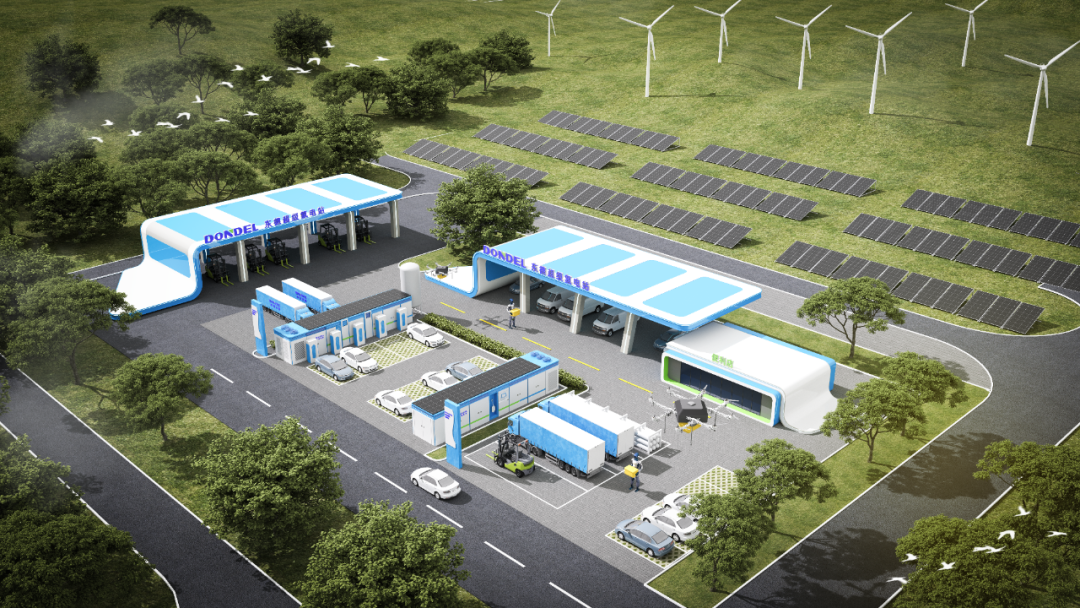
PowerMax integrates multiple subsystems—electric power, hydrogen energy, and thermal management—into a single enclosure. Using multi-energy coupling technology, it enables coordinated control of different forms of energy—the same device can both ultra-fast charge electric vehicles and directly refuel hydrogen fuel cell vehicles. At its core, it features Dondel’s proprietary diaphragm compressor unit, paired with a jointly developed hydrogen fuel cell, forming the core power chain.
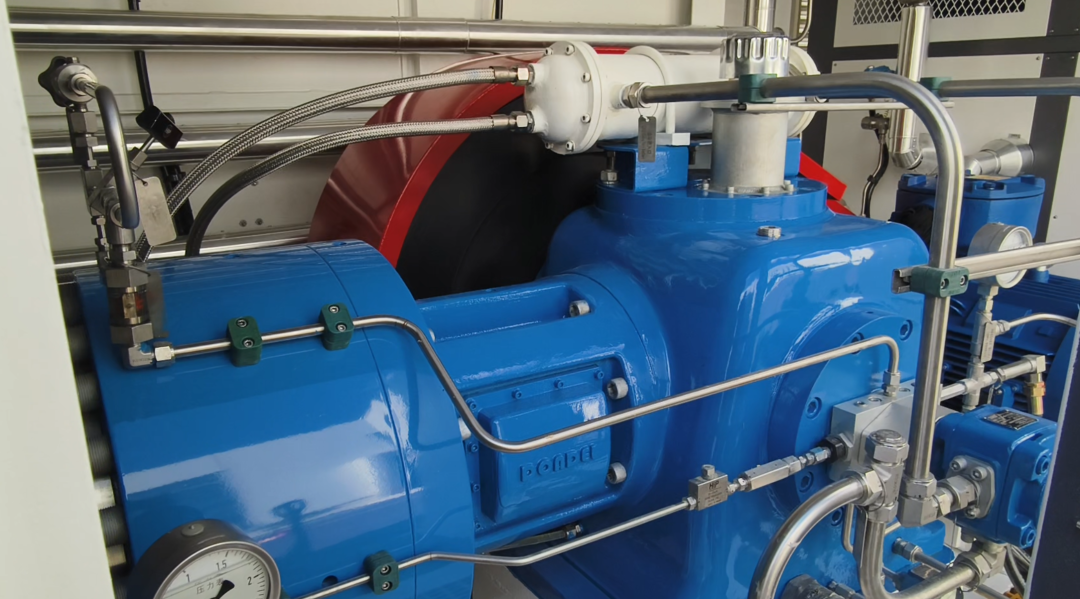
Standardization Is a Key Word
All functional modules of the PowerMax Super Hydrogen Station are fully assembled at the factory and ready to use upon installation and power-on. “From the very beginning of the project, our goal was to make building a station as simple as buying a computer or refrigerator—plug it in and it works. Only then can ultra-fast charging stations achieve rapid industrialization,” said the PowerMax project leader at Dondel. A single standard unit is a standalone micro energy station; multiple units can be connected in parallel for flexible expansion.
Lightning-Fast Charging Speed
In terms of charging speed, equipped with a 480 kW single connector, it delivers 8 kWh in 1 minute and can fully charge a vehicle in approximately 5 minutes—equivalent to 1 kilometer of range per second of charging.
Safe, Reliable, and AI-Monitored
The station is equipped with an “AI Safety Brain” that uses a thousand-point monitoring network to enable 24-hour risk prediction. In the event of danger, the system cuts off in milliseconds and performs harmless treatment of any abnormal leaks. The team also developed an innovative intelligent coordinated control system to ensure optimal operation of all energy subsystems within a limited space. During the project development, the team completed over 200 system integration tests to ensure stable equipment operation.
Off-Grid + Green Hydrogen: Solving Two Problems
First problem: Charging difficulty.
According to data from the National Energy Administration, by the end of May 2026, the total number of charging facilities nationwide had reached 22.497 million, but public charging facilities numbered only 4.951 million.
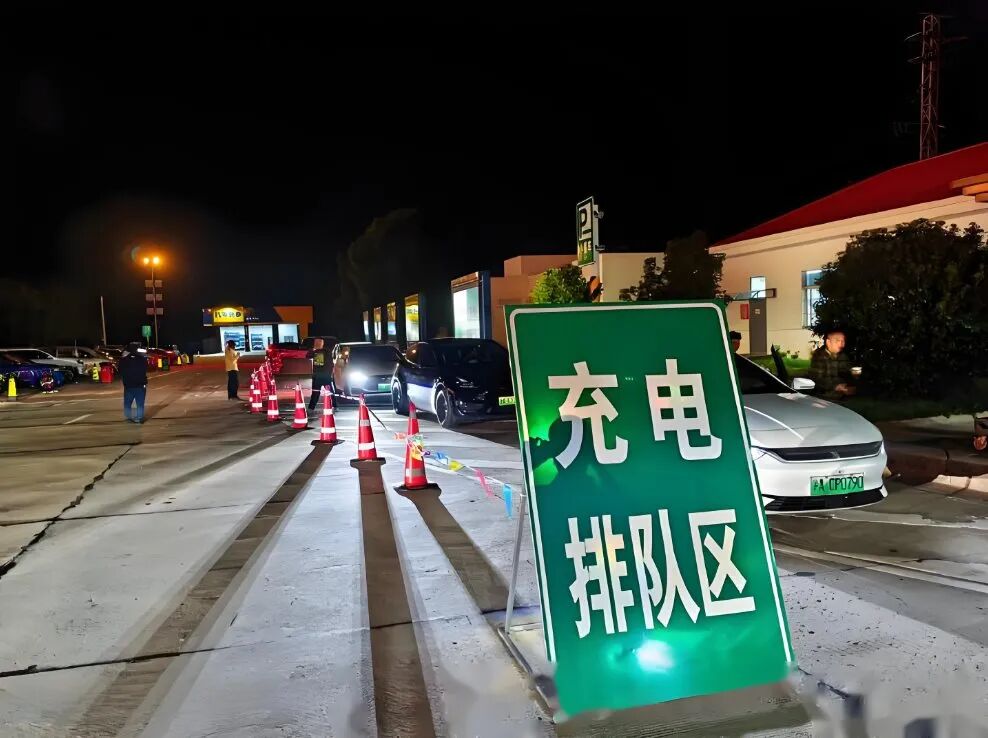
According to statistics from the China Electric Vehicle Charging Alliance, in the first half of 2026, the total number of public DC fast charging piles nationwide exceeded 2.3 million, of which high-power liquid-cooled ultra-fast charging piles above 600 kW accounted for less than 8%. These numbers may seem impressive, but once holiday seasons arrive, scarcity of charging piles at highway service areas remains the norm.
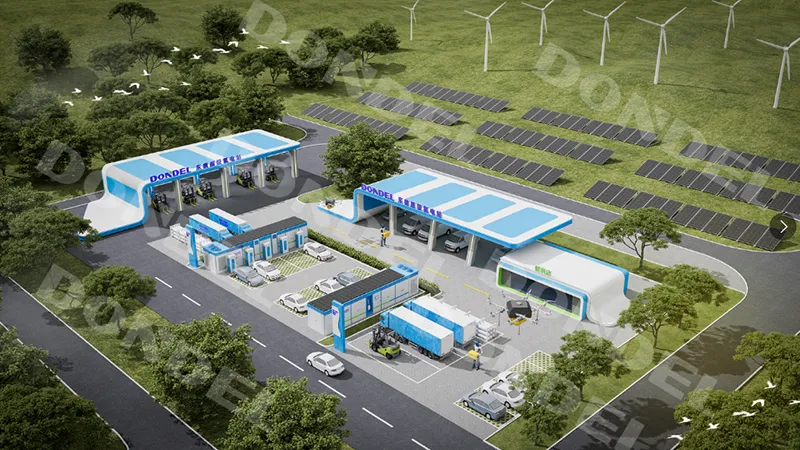
PowerMax does not require the power grid—it can be deployed wherever there is a power shortage: highway service areas, logistics parks, remote mining areas, large campsites, and other regions with inadequate grid coverage. It can even serve as an energy backup for emergency rescue operations.
Second problem: Renewable energy curtailment.
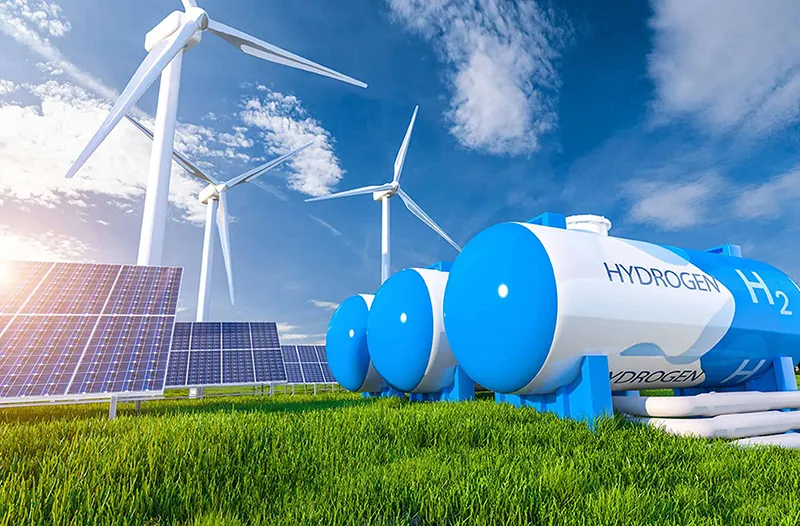
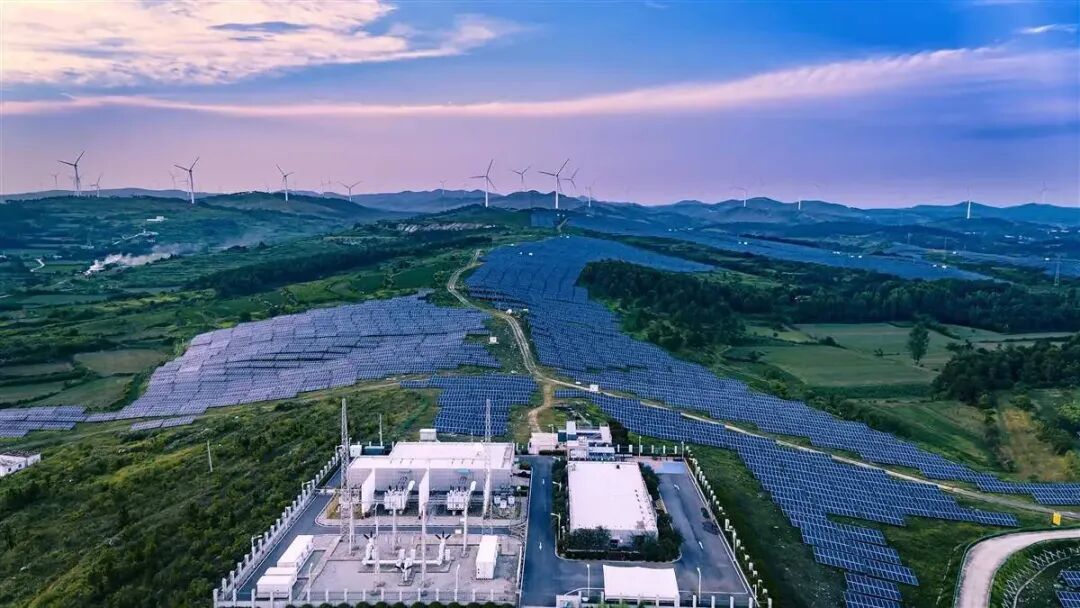
From January to May this year, the photovoltaic utilization rate in the wind- and solar-rich western regions continued to decline. With the exception of Ningxia, wind and solar power utilization rates all fell below 90%. Wind and solar power are intermittent and volatile—what cannot be used must be curtailed. Storing green electricity as hydrogen and converting it back to electricity when needed—PowerMax is the terminal carrier of this pathway.
Academician Tang Shuyao of the Chinese Academy of Sciences has proposed that within five years, the price of green hydrogen in Inner Mongolia is expected to fall below that of grey hydrogen, and by 2031, the cost of green hydrogen in Baotou could drop to below 7 yuan/kg. At that point, the charging cost of PowerMax could be significantly reduced to around 0.5 yuan/kWh.
From “Technical Verification” to “Scenario Demonstration”
Dondel’s “off-grid hydrogen-electricity coupled super energy storage and integrated ultra-fast charging” concept has been included in the first batch list, signifying provincial-level recognition of this technology pathway—”charging capability that does not rely on the grid and is centered on hydrogen” has been identified as a new energy application direction worthy of focused development. PowerMax’s positioning has always been “an energy station that can be used wherever it’s deployed.” At the time of selection, the first unit has already been shipped to Xinjiang for deployment—Xinjiang, with its vast territory, sparse population, and high grid coverage costs, is a typical application scenario for off-grid ultra-fast charging.
Previously, hydrogen-electricity coupling remained largely at the stage of technical verification and demonstration operations. Being included in the provincial landmark application scenario list means this pathway must now work in real-world scenarios—moving from “can do” to “can use,” from laboratory parameters to a truly usable charging option for vehicle owners at highway service areas and logistics parks.
From being selected for the provincial list to the first unit being shipped to the project site for delivery, PowerMax is moving from technical verification to real-world application. But its significance goes beyond a single piece of equipment.
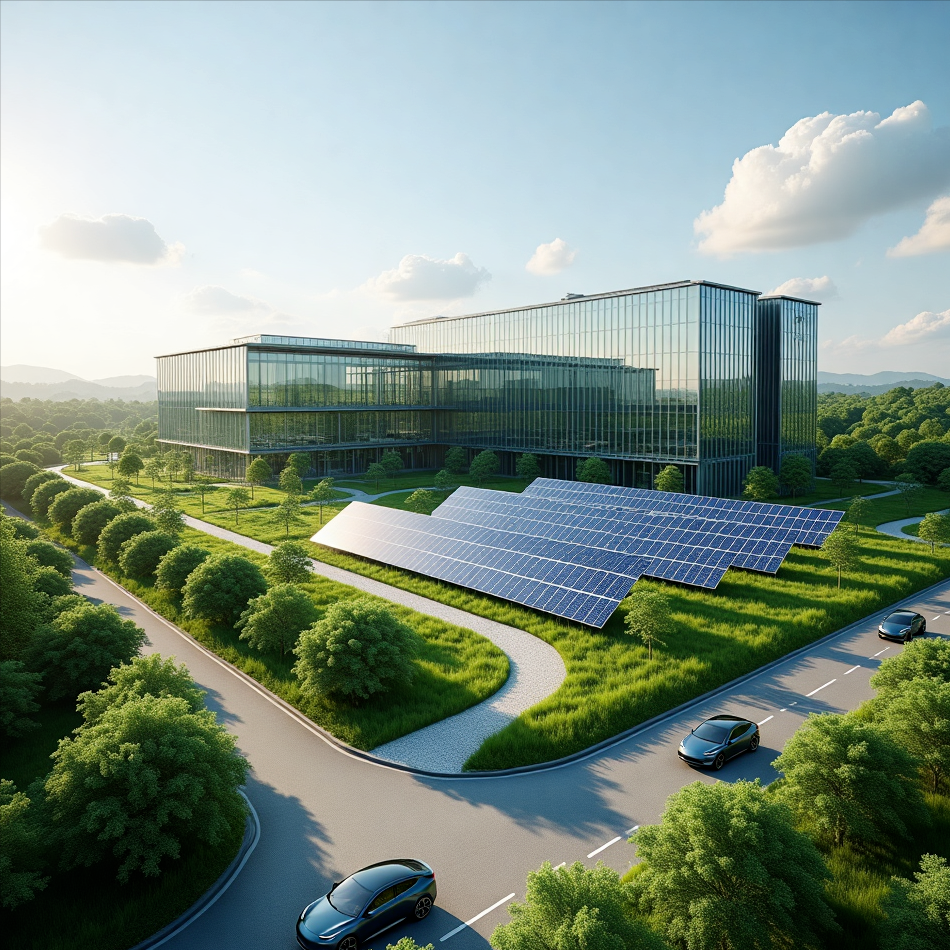
China is simultaneously advancing two major initiatives: transportation electrification and green energy transition. On one hand, the number of new energy vehicles continues to rise, putting increasing pressure on charging infrastructure; on the other hand, wind and solar power capacity is expanding rapidly, with growing bottlenecks in energy absorption. These two tracks may appear parallel, but they point to the same gap—how to turn green electricity into usable, mobile energy.
In this scenario, PowerMax Super Hydrogen Station’s hydrogen-electricity coupling technology provides an answer: converting curtailed wind and solar power into hydrogen, then converting hydrogen back into electricity for long-duration energy storage—without relying on the grid, without being limited by location, ready to use upon deployment. PowerMax is the key equipment that makes this pathway work.