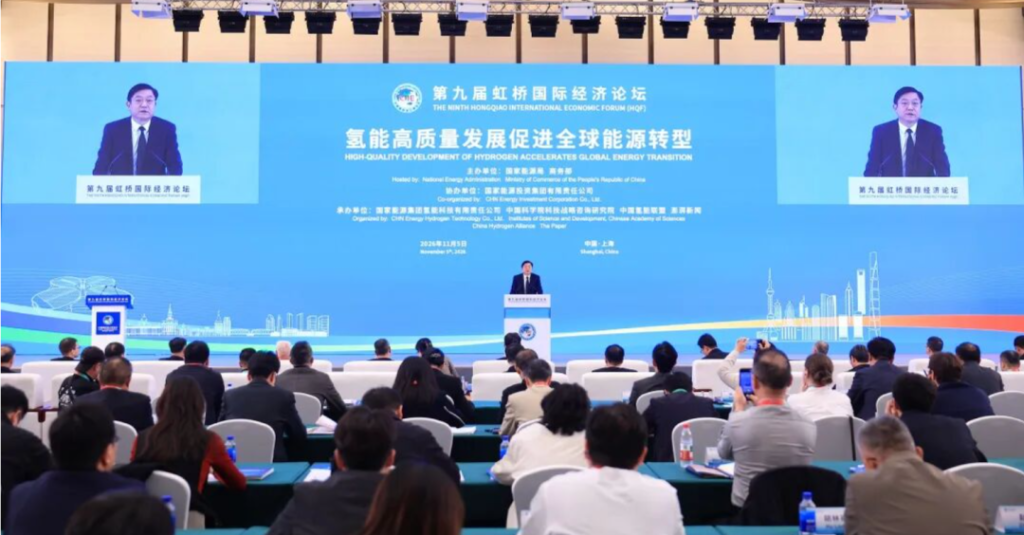
On November 5, 2026, the National Energy Administration released the Typical Pilot Cases of China’s Hydrogen and Green Fuel Sector (2026). Among the national pilots is a long-distance, low-cost, high-efficiency gaseous hydrogen transport project in Guangzhou, Guangdong, and its core innovation comes down to one change: raising the working pressure of hydrogen tube containers from 20 MPa to 30 MPa and lifting the payload per trip to 650 kg. At the same event, an official from the National Energy Administration disclosed that 30 MPa high-pressure hydrogen tube trailers have already entered pilot operation.
A 50% increase in per-vehicle capacity does not come from the vehicle itself, but from coordinated upgrades across the entire hydrogen storage and transport chain.
1. The 20 MPa Bottleneck
Hydrogen is extremely light, and gaseous transport has always been at a disadvantage at the “loading” stage. Constrained by hydrogen storage conditions, a conventional 20 MPa tube trailer carries only 300–500 kg per trip, and its economical transport radius has long been limited to 150–200 km.
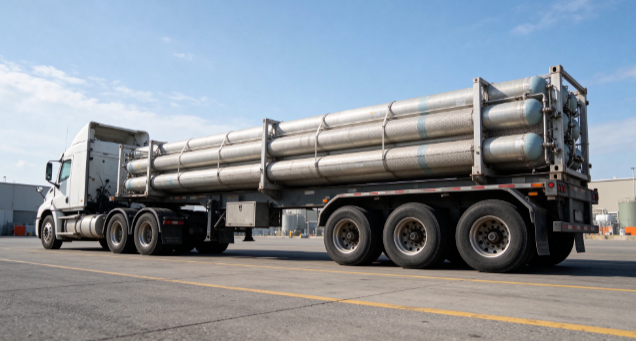
As hydrogen refueling stations continue to be deployed and the application network keeps expanding, existing capacity can no longer keep pace with the industry’s growth. To carry more and travel farther, the 20 MPa transport system has reached its capability ceiling.
2. Carrying Half Again as Much Is Not Just About the Cylinders
A pressure upgrade is far more than a matter of swapping out hydrogen cylinders.
By replacing conventional steel cylinders with lightweight carbon-fiber-wrapped cylinders, a 30 MPa tube trailer can deliver 650 kg of hydrogen per trip. But cylinders are only containers. To fill them safely and reliably at high pressure, upstream compression equipment must keep pace.
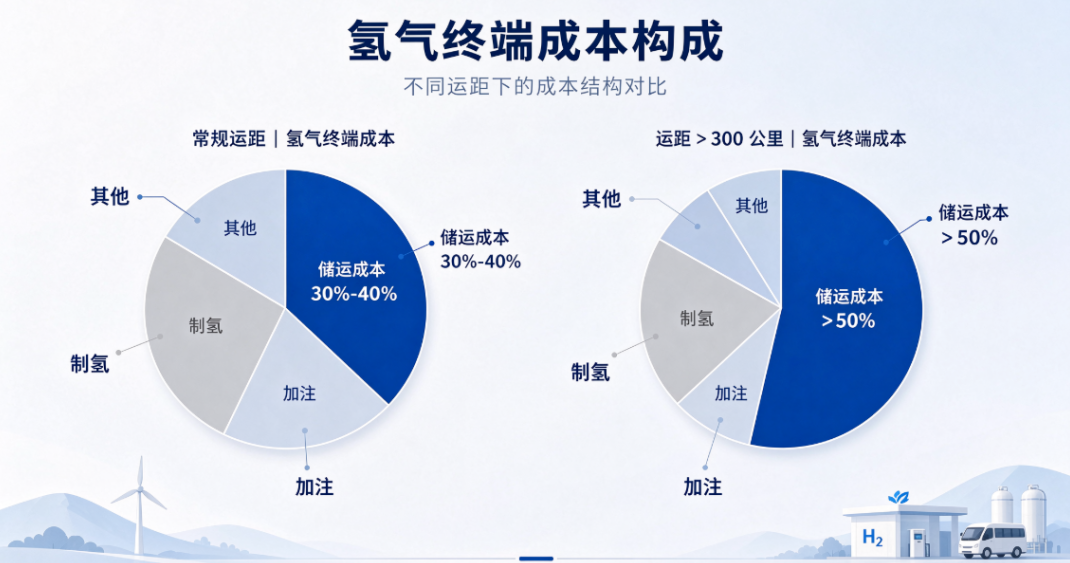
Storage and transport cost is the heaviest single component of the final hydrogen price, accounting for as much as 30–40%. When transport distance exceeds 300 km, logistics can account for more than half of the end-user price.
To move the same 650 kg of hydrogen, a 20 MPa trailer needs nearly two trips, while a 30 MPa unit can do it in one. Fewer trips spread labor, energy, vehicle depreciation, and loading costs across more volume, steadily reducing the storage and transport cost per kilogram.
Only by tackling this stubborn cost problem can the industry build a real foundation for its target of bringing end-user hydrogen prices below RMB 25/kg by 2030.
3. When Pressure Steps Up, the Compressor Steps Up First
A tube container rated to 30 MPa means the upstream filling compressor must deliver a higher discharge pressure. Gas flows only from high pressure to low, so when filling a 30 MPa tube bank, the compressor outlet must not only provide the pressure differential needed for filling, but also offset the pressure losses caused by heating during compression and cooling during pressure reduction. This places stringent demands on the equipment:
- The discharge pressure rating must move up accordingly.
- Seals must hold against hydrogen molecules — the smallest possible leak path — at higher pressures.
- The filling of high-purity hydrogen must remain completely oil-free throughout.
- And there must be no leakage risk under high pressure.
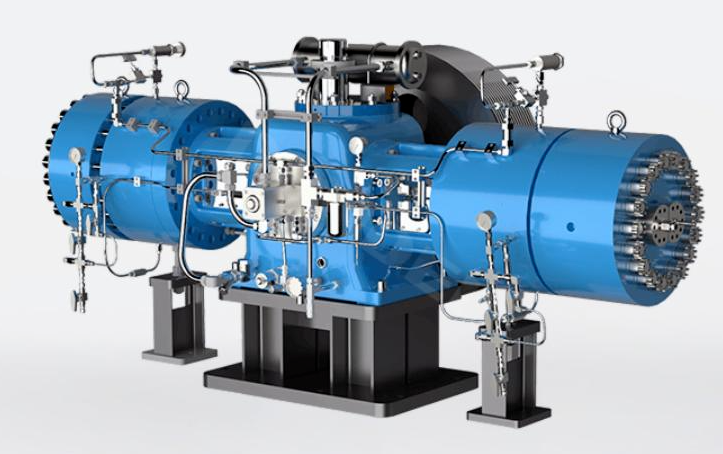
These requirements land squarely within the technical territory of the diaphragm compressor. A diaphragm compressor uses a diaphragm to completely separate gas from oil and relies on hydraulic pressure to drive the diaphragm, achieving oil-free, zero-leakage operation — a natural fit for high-purity hydrogen and high-pressure filling. Raising the pressure by one level does not call for a different technology; it simply pushes this approach one step further.
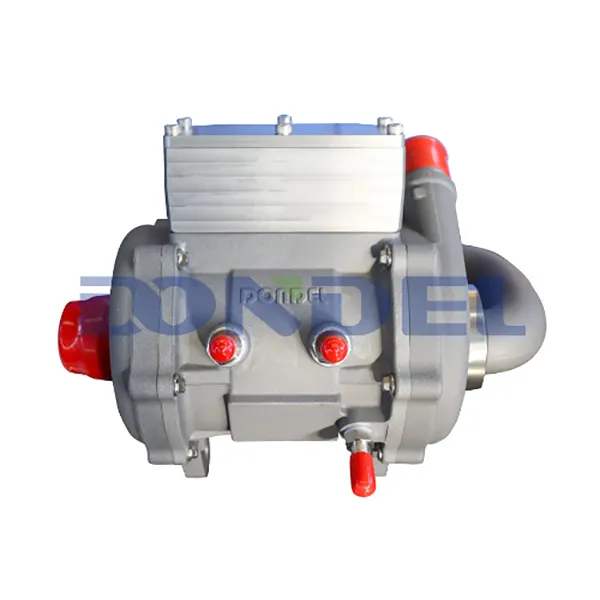
Dondel’s self-developed diaphragm compressors are known for oil-free operation, zero leakage, and high compression ratios, and have been successfully deployed in hydrogen production and filling, refueling stations, and other applications.
A real project brings this assessment down to the ground.
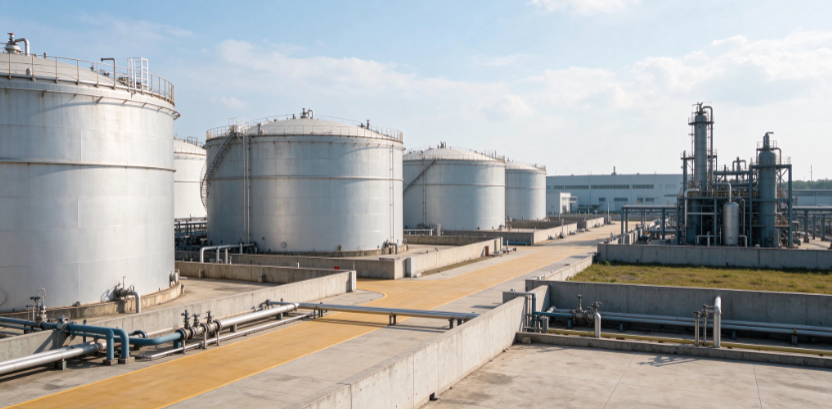
At a large petrochemical company’s industrial by-product hydrogen utilization project in Dalian, Liaoning, Dondel supplied diaphragm filling compressors at two discharge pressures — the DZ22-1000 (22 MPa discharge pressure) and the DZ33-1000 (33 MPa discharge pressure), each handling 1,000 Nm³/h.
The 22 MPa units serve the 20 MPa tube banks currently in operation, while the 33 MPa units are matched to the new generation of 30 MPa tube containers.
In other words, while the project operates at 20 MPa filling today, it is already equipped for 30 MPa. This is Dondel’s equipment reserve for the next step up in hydrogen transport pressure.
4. Closing Thoughts
On the surface, this upgrade in high-pressure gaseous hydrogen transport looks like a change in cylinder specifications. In substance, it is a reworking of the entire chain’s “loading end.”
A truck carrying half again as much hydrogen per trip rests on simultaneous upgrades to cylinders, compressors, and related equipment.
The mark of a maturing industry is often not the arrival of something entirely new, but the point at which the invisible links in the chain become reliable enough — and cheap enough.
Only when the loading end is firmly supported can hydrogen truly move from policy documents into the cost ledger.