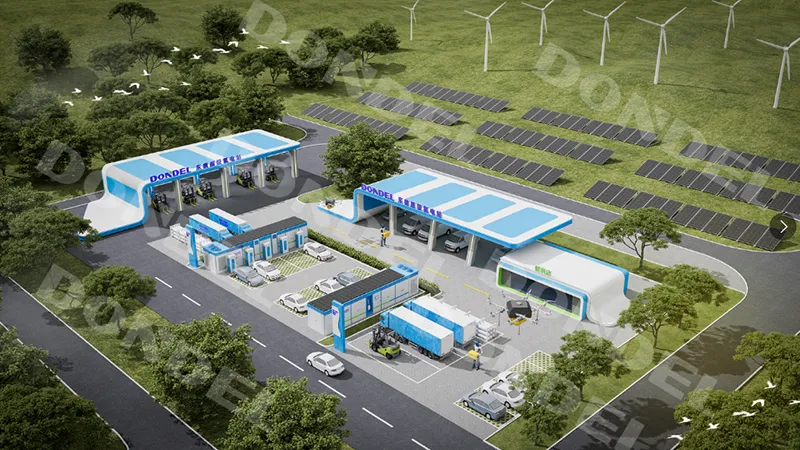
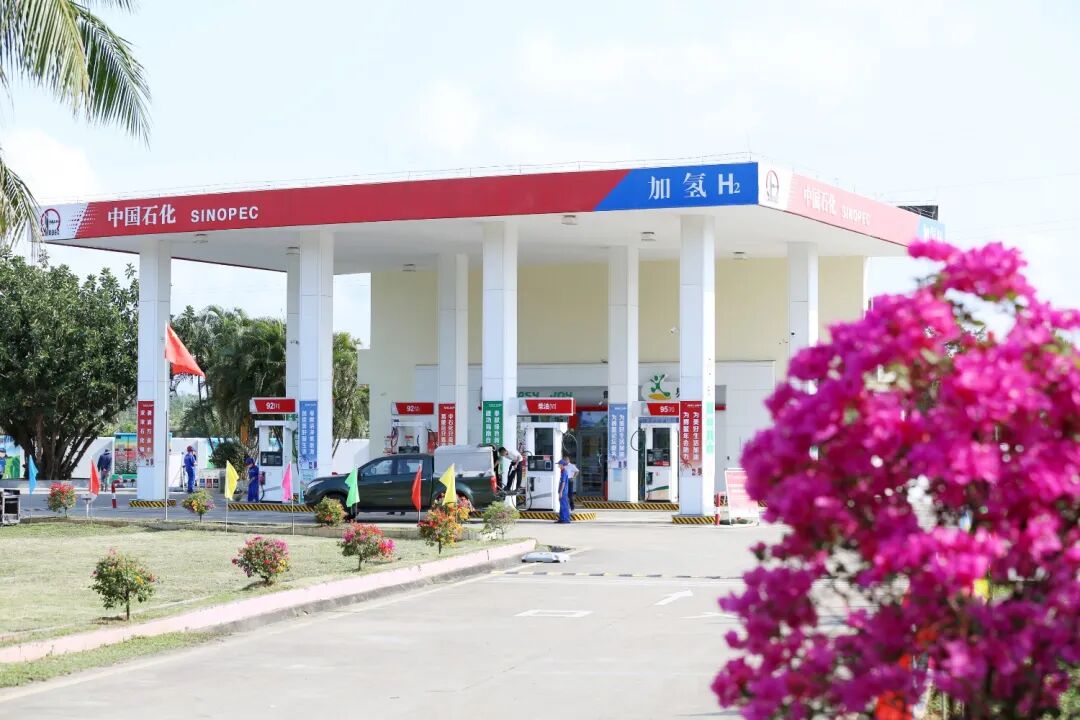
Building a hydrogen refueling station is a substantial investment.
Where does that money go? Compressor systems, hydrogen storage systems, dispensers, cooling equipment, installation and commissioning. Among these, the compressor is the highest-value single piece of equipment, accounting for 20–30% of total station investment. In other words, nearly one third of the money in a hydrogen refueling station is spent on the compressor.
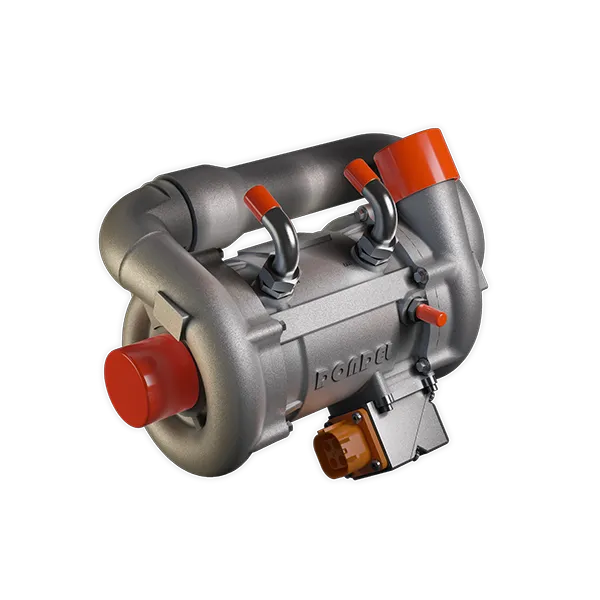
Why is the compressor so expensive, and what exactly makes it costly? This article breaks down the true value of a station’s most expensive equipment from two angles: cost structure and engineering difficulty.
1. Where Does the Money Go?
To understand why compressors are expensive, it helps to first look at how a station’s costs break down.
Based on consolidated estimates from multiple industry reports (actual figures vary widely with pressure rating, station scale, and region, so shares are used here), the main cost components of a fixed high-pressure station with externally supplied hydrogen are as follows:
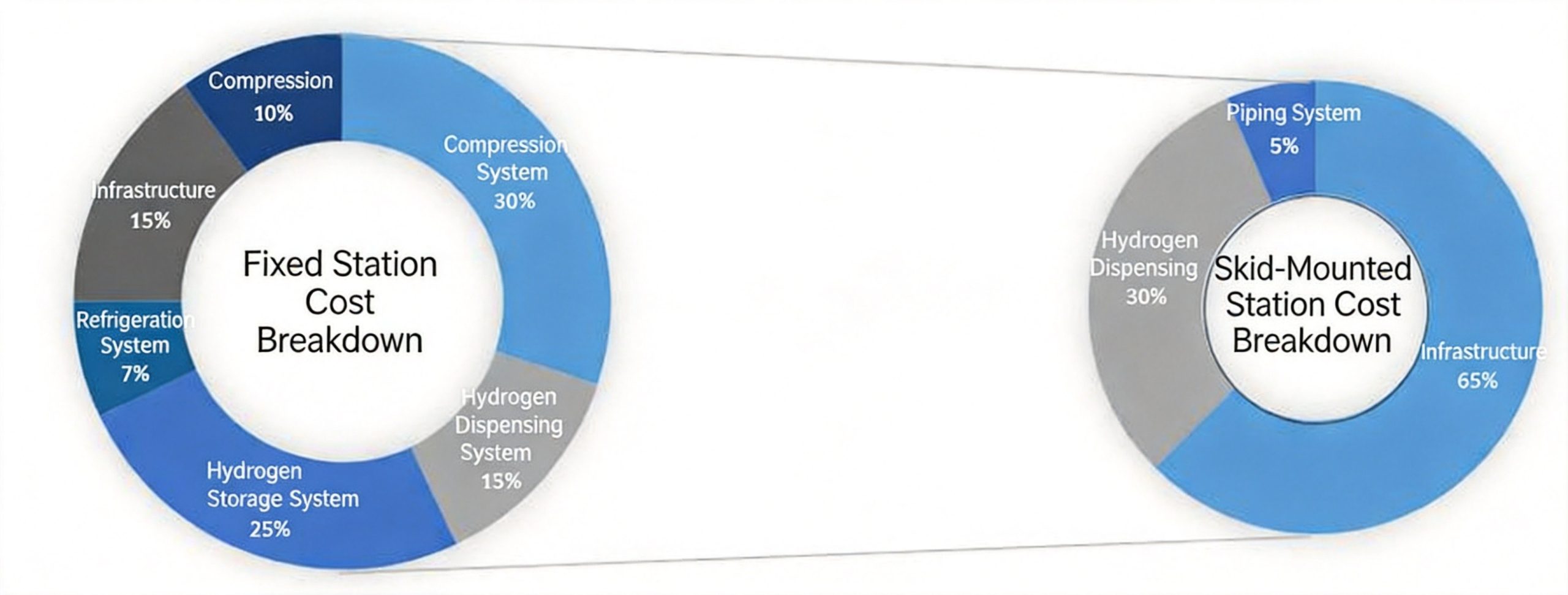
The shares make the picture clear: the compressor system is the single largest investment item in a fixed station. In skid-mounted stations, because the refueling skid already integrates the compression system, its share can reach 65%. Equipment procurement as a whole accounts for 60–70% of total station investment and is by far the dominant component of construction cost. Within that equipment mix, the compressor is again the highest-value single item, representing 35–40% of total equipment cost.
This means a large share of a station’s capital goes into one task: pressurization.
2. How Is Compressing Hydrogen Different from Compressing Air?
A common question: air compressors are everywhere — what makes a hydrogen compressor so special?
The answer: compressing hydrogen is far more difficult than compressing air.
Hydrogen’s physical properties present compressor designers with three formidable challenges — and these are the root cause of the compressor’s persistently high cost.
First, hydrogen is the smallest molecule in nature, and it leaks three to four times faster than air. Under the high-pressure conditions of a refueling station — 35 MPa and above — even a micron-scale sealing gap can create a leakage hazard, so compressor sealing must meet extremely demanding process standards.
Second, hydrogen embrittlement — a ultimate test for materials science. Under high pressure, hydrogen atoms penetrate the metal lattice and cause embrittlement, which ordinary steel cannot withstand. Core compressor components must use hydrogen-embrittlement-resistant specialty materials such as 316L stainless steel and Hastelloy, and material costs substantially raise the equipment price.
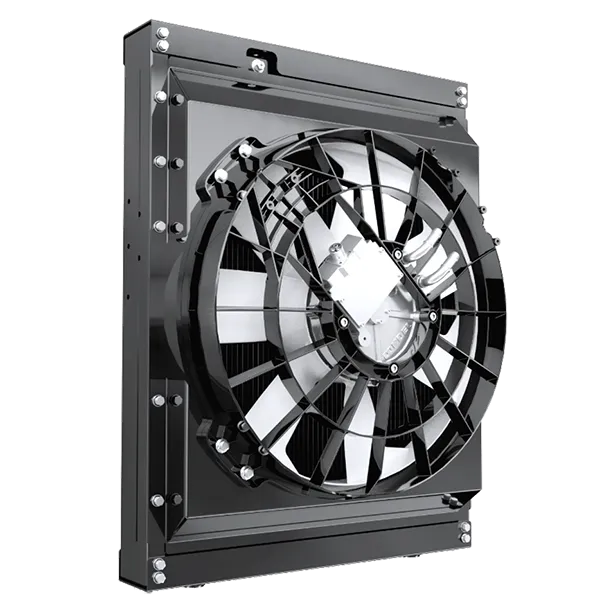
Third, temperature control — the combined difficulty of compression heat and a reverse effect. Hydrogen has a high adiabatic index and heats up rapidly during compression; insufficient cooling shortens equipment life and introduces safety risks. At the same time, hydrogen’s Joule-Thomson inversion temperature is only about −78 °C, so at ambient temperature, high-pressure hydrogen actually rises in temperature when it is throttled down through valves and piping. Heat generation occurs throughout both compression and pressure release, requiring high-performance cooling systems and significantly increasing the thermal design cost of the compressor.
Together, these three challenges make the design, materials, machining, and testing costs of a hydrogen compressor far higher than those of a conventional industrial compressor. But once these problems are solved, other gases — helium, nitrogen, argon, krypton, and xenon — can all be handled as well.
3. Why Have Diaphragm Compressors Become Mainstream?
There are currently two main compressor technologies for refueling stations: diaphragm compressors and liquid-driven compressors. According to public industry data, they are deployed in Chinese stations at a ratio of roughly 7:3, with diaphragm compressors holding the dominant position.
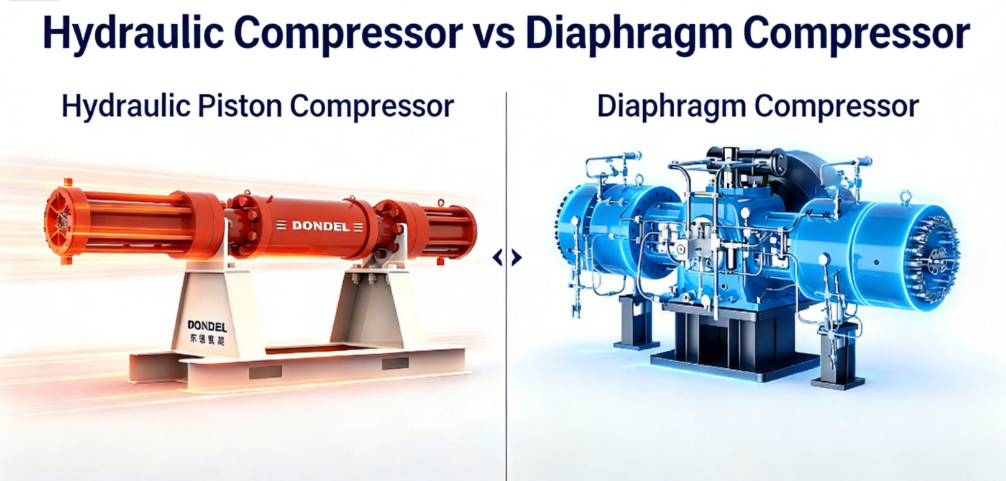
The core reasons for choosing diaphragm compressors are as follows.
Zero leakage and no contamination: a diaphragm separates the hydrogen from the hydraulic oil, so the two never come into contact, and the delivered hydrogen purity exceeds 99.999%, meeting fuel cell standards for high-purity gas. Liquid-driven compressors rely on dynamic seals, with leakage rates of 3–6%; recovery is difficult, so the gas is often vented directly, driving up operating costs.
High single-stage compression ratio: a diaphragm compressor can achieve a ratio of up to 10:1 per stage, so fewer stages are needed for the same output pressure and the system architecture is simpler.
Diaphragm compressors do have drawbacks: they are not suited to frequent start-stop cycles, which sharply shorten diaphragm life, and their structure is complex, demanding specialized maintenance expertise. Liquid-driven compressors are the opposite — smaller in footprint (about two thirds that of a diaphragm unit), tolerant of frequent start-stop cycles, and easier to maintain — but leakage and purity remain unavoidable issues.
The choice depends on the station’s actual operating profile. Customer base, throughput requirements, purity specifications, and start-stop frequency all influence the final equipment selection.
4. Conclusion
Returning to the opening question: what is the most expensive piece of equipment in a hydrogen refueling station?
The answer is the compressor. Whether it is the mainstream diaphragm type or the liquid-driven type used at some stations, its core task is the same: raising hydrogen from low pressure to 35 MPa or higher. It is expensive not because of brand premium, but because compressing hydrogen is itself an engineering problem — the smallest molecule must be sealed in, materials must resist embrittlement, temperature must be controlled, and purity must be preserved.
From a cost perspective, the compressor accounts for 20–30% of total station investment and is the single largest equipment item. From a technical perspective, it directly determines the purity of the hydrogen delivered, the efficiency of refueling, and the safety of operations.
As localization accelerates, compressor prices are falling. But for station operators, price matters less than one question: can this machine run safely, reliably, and efficiently in your specific operating environment?
That is precisely what Dondel has focused on for years — from the core compressor of a refueling station to complete hydrogen equipment solutions, ensuring every unit stands up to the test of real operating conditions.